
Understanding the psychological effects of gambling on decision-making and risk perception
The Nature of Gambling and Its Psychological Impact
Gambling is not merely a game of chance; it heavily engages the cognitive and emotional aspects of human psychology. The thrill of potentially winning can significantly affect an individual’s decision-making process. This excitement often leads players to overlook rational judgments, causing them to take risks they might not normally consider. When players are immersed in the environment of a casino or an online platform, the psychological effects can amplify, pushing individuals to chase losses or escalate their bets, driven by a temporary rush of adrenaline. For those interested in this world, finding the best australian online casinos is essential for safe and enjoyable experiences.
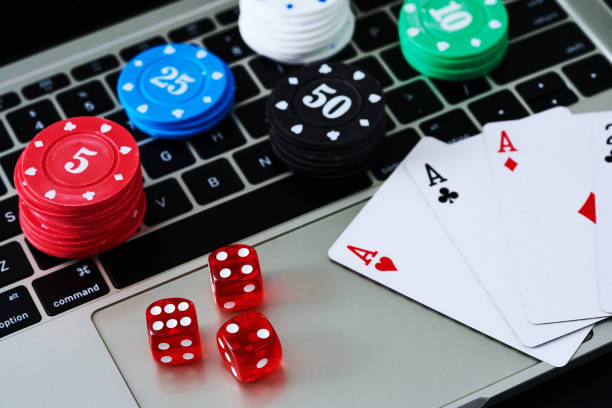
This environment creates a unique blend of urgency and expectation. The anticipation of a potential win can lead to cognitive distortions, where gamblers may misinterpret their chances of success. They often fall victim to the illusion of control, believing they can influence outcomes through skill or strategy, even in games that rely solely on luck. Such beliefs can distort their perception of risk, making them more prone to compulsive behaviors.
The Role of Cognitive Bias in Gambling
Cognitive biases are systematic patterns of deviation from norm or rationality in judgment. In the context of gambling, biases such as the gambler’s fallacy significantly impact decision-making. This fallacy leads individuals to believe that past outcomes affect future probabilities, which can lead to misguided betting strategies. For instance, a player may think that a specific number is “due” to win simply because it has not appeared in recent games, thus risking more than they should.
Another common cognitive bias in gambling is confirmation bias, where individuals only acknowledge information that supports their beliefs while ignoring contradictory evidence. For example, a gambler may focus on their winning streaks and disregard their losses, reinforcing a false sense of competence. Such biases not only impact personal decisions but can also lead to broader implications, affecting how individuals view their financial situations and risk in daily life.
Emotional Factors and Gambling Behavior
Emotions play a crucial role in gambling behavior. Many individuals turn to gambling as a means of escape from stress, boredom, or even depression. The temporary highs associated with wins can provide a powerful emotional boost, creating a cycle where individuals seek repeated experiences to replicate that feeling. Unfortunately, this cycle can lead to negative emotional states when losses occur, resulting in guilt, frustration, and anxiety.
Moreover, emotional arousal can skew risk perception. High levels of excitement or distress can prompt impulsive decisions, leading individuals to gamble more aggressively. This heightened emotional state may cloud judgment, causing players to dismiss the true risks involved in their actions. Understanding these emotional triggers is essential for gamblers seeking to make informed decisions and maintain control over their gambling habits.
The Influence of Environment on Gambling Decisions
The environment in which gambling occurs plays a significant role in shaping decision-making and risk perception. Casinos and online gaming platforms are designed to stimulate engagement and prolong playtime, often using enticing visuals, sounds, and even scents. This carefully curated atmosphere can heighten the psychological effects of gambling, encouraging individuals to take greater risks than they would in a more neutral setting.
Additionally, social factors within these environments can also influence behavior. The presence of other players can evoke competitive feelings, encouraging individuals to bet larger amounts to keep up or stand out. Conversely, solitude in online gambling might lead to unchecked behaviors, as players may feel less accountable for their actions. Recognizing the influence of the gambling environment can help individuals become more mindful of their choices and better manage their gambling behaviors.

Exploring Resources for Responsible Gambling
For individuals looking to understand and mitigate the psychological effects of gambling, resources and communities are vital. Websites like Australian Online Pokies provide comprehensive insights and tools to help players navigate their gambling experiences responsibly. With extensive information on games, bonuses, and player reviews, these resources empower individuals to make informed decisions.
Such platforms often emphasize the importance of responsible gaming, encouraging users to set limits and understand their emotional states while gambling. By fostering a supportive community, these resources can help individuals share experiences and strategies for managing gambling behavior, ultimately promoting a safer and more enjoyable gaming experience.